Social Media and Radical Democratic Thought: Rethinking the Digital Public Sphere
Start: October 2025
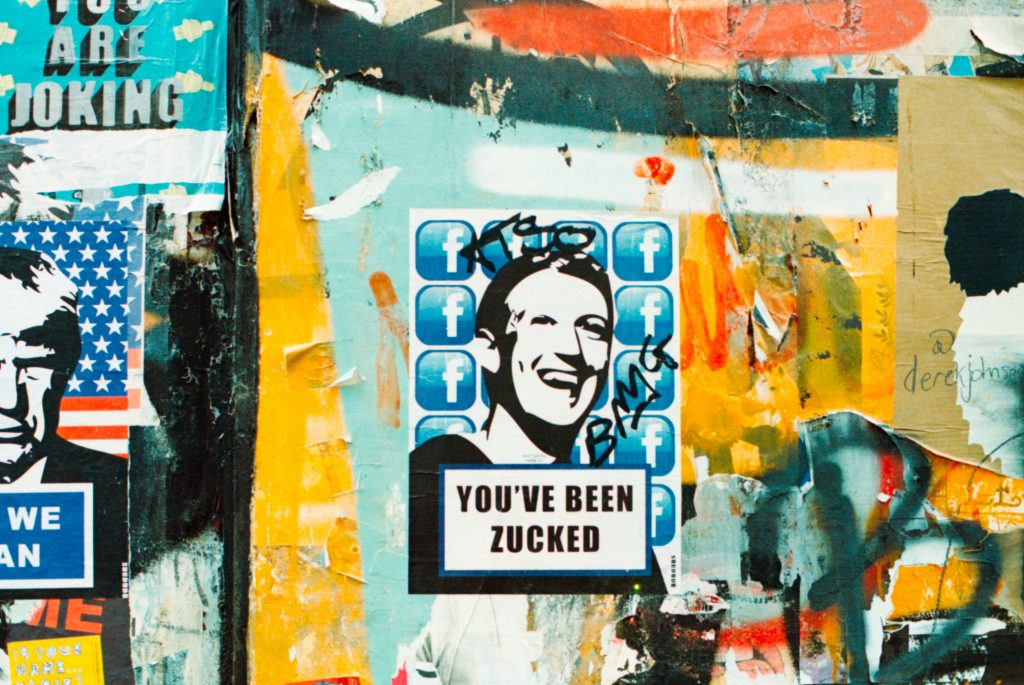
Social media’s democratic potential is increasingly put into question as their initial emancipatory promise, which generated much scholarship in the wake of the so-called ‘Arab Springs,’ has slowly faded. Today, social media are accused of contributing to a degradation of democratic practices by unsettling truth, polarizing societies, or trapping netizens in ‘filter bubbles’ of like-minded individuals.
This has led most political theorists and scientists to give up on social media’s democratic potential altogether. However, this research project seeks to challenge this pessimism and recover, through a change of normative perspective, something of social media’s democratic promises.
Contrary to dominant evaluations of social media’s democratic potential, which overwhelmingly revolve around a deliberative understanding of democracy, the current project instead seeks to interrogate social media’s democratic potential from the standpoint of the people. Our hypothesis is that from such standpoint, different promises, and limitations, transpire from social media practices on both the dominant platforms (Facebook, Instagram, X) and alternatives ones (Reddit, Mastodon, Front Porch Forum).
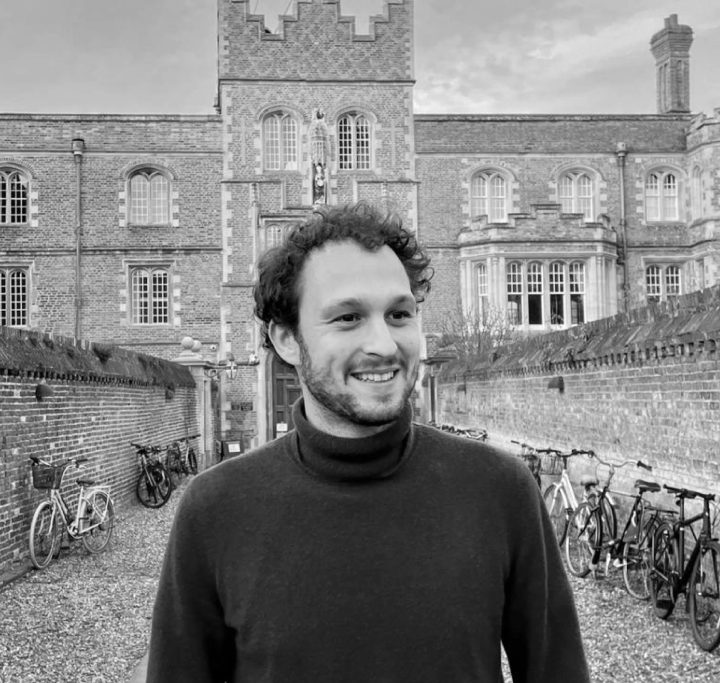
Located within the ‘Communication Technology and Contentious Politics’ research theme, the project, led by Dr Antoine Sander, speaks directly to questions about democratic participation and the transformation of the public sphere under conditions of digital mediation. By integrating political theory with empirical analysis of digital practices, the project contributes to ongoing efforts to understand how democratic politics is being reconfigured in the platform age—and how these transformations reshape the possibilities for popular politics.
This research stream has already led to an article by Antoine developing the concept of ‘popular public sphere.’ This initial, conceptual, work will be followed by several other, more empirical, publications in academic venues, and will culminate in the publication of a trade book putting forward a popular theory of platforms for non-academic audiences interested in rescuing the emancipatory potential of social media from digital oligarchy, surveillance capitalism, and elite capture.
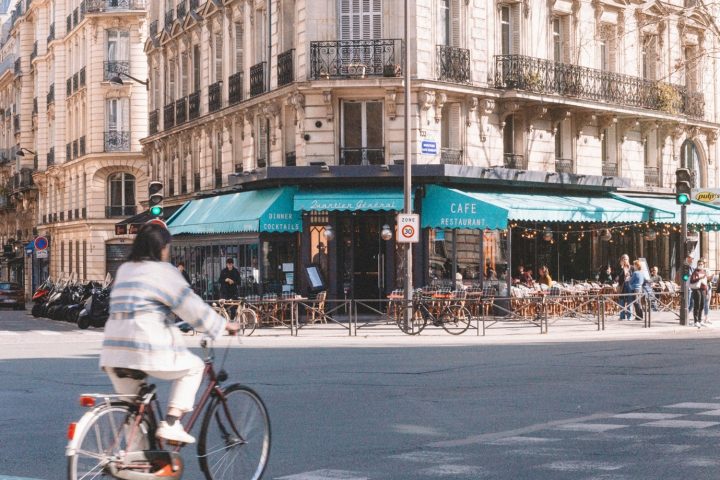
As the battle for Paris mayor raged in early 2026, Antoine’s research on local social movement #saccageparis received attention from several French media outlets.
We use optional cookies to collect analytics and enable embedded content. By clicking accept, you are giving consent for us to do this. You can find out more in our privacy policy page and manage cookies through the cookie settings page.