

Research Theme
Human Rights in the Digital Age
See related content
Browse all related content to this research theme.

Theme lead: Professor Ella McPherson
CGHR’s Human Rights in the Digital Age theme addresses the emergent and rapidly evolving changes wrought to human rights practices and norms by the use of digital technologies. With respect to practices, this includes human rights fact-finding and advocacy; with respect to norms, this includes human rights related to communication, information, expression, privacy, assembly and association.
The research and activities under this theme approach human rights from a communications perspective and, as such, are particularly concerned with pluralism and solidarity. Another core concept of the theme is risk, particularly risk governance around perceived threats to security and facticity.
Praxis research in this theme includes academic startup, The Whistle, as well as the Digital Verification Corps and innovative, interactive tools such as the Social Life of Data experience, the Digital Human Rights Toolkit, and the chatbot providing information for asylum-seekers in the UK. Empirical scholarship includes investigations of human rights fact-finding using digital tools, reimaginings of the practice of witnessing, and explorations of the digitally-mediated freedom of assembly.


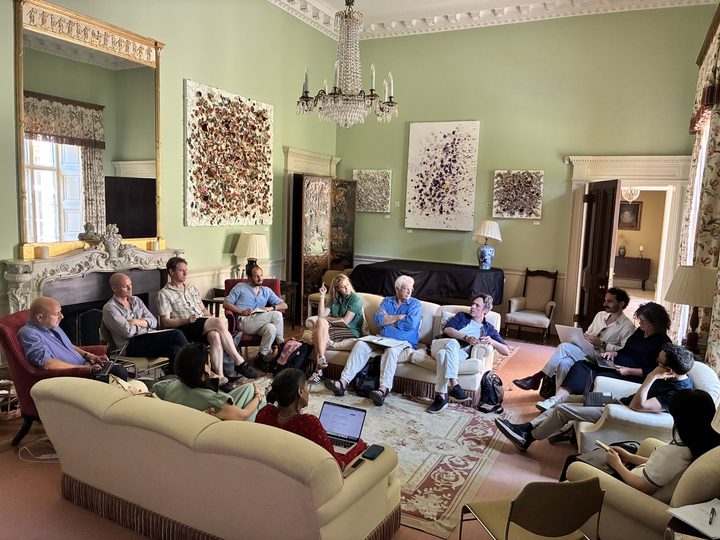
Cambridge Colloquium on Communication Technology and Politics
On 7 July 2026, the Centre of Governance and Human Rights convened the Cambridge Colloquium on Communication Technology and Politics at the Provost’s Lodge, King’s College.

CGHR’s DVC Students Support Amnesty International Report on Iran’s 2022 Woman Life Freedom Uprising
CGHR’s DVC students have contributed towards Amnesty International’s new landmark report on crimes against humanity during the Woman Life Freedom uprising in 2022.
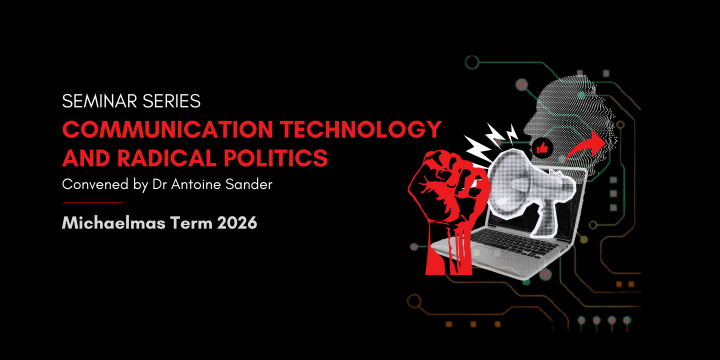
The Leader’s Aura: Online Sentiment, TikTok Charisma and the Crisis of Political Trust
14/10/2026
Room SG2, Alison Richard Building, 7 West Road, Cambridge, CB3 9DP
Understanding, Refusing, Finding Inspiration: Towards a Living Critique of Domination
02/12/2026
Room SG2, Alison Richard Building, 7 West Road, Cambridge, CB3 9DP
See related content
Browse all related content to this research theme.
Related Articles

28/01/26
Ella and Albert participate in Geneva roundtable on United Nations Guiding Principles
The roundtable evaluated whether the United Nations Guiding Principles on Business and Human Rights (UNGPs) remain fit for addressing current and emerging challenges.

21/01/26
Albert on unlawful NYPD surveillance practices
In an interview with Al Jazeera, Albert Fox Cahn discussed the privacy violations in New York Police Department's surveillance practices.

25/06/25
Humanities, Social Sciences and AI – Transversal Theme: a Lego Serious Play workshop
On Friday, 3 June 2025, Ella and Sharath convened the first Connections event of the ‘Humanities, Social Sciences and AI’ Transversal Theme: a Lego Serious Play workshop.

CGHR Practitioner Series 2025 – Meeting Fred Abrahams
On Wednesday, 26 February 2025 we had the great pleasure of welcoming Fred Abrahams remotely for our third Practitioner Series talk.

CGHR Practitioner Series 2025 with Dr Matthew Gillett
On 12 February 2025, CGHR had the great pleasure of inviting Dr Matthew Gillett to give the second of this year's CGHR Practitioner Series talks.
Previous