Annual Report 2015-16
CGHR welcomed a Wellcome Trust project on health and technology. It has also seen the development of Ella McPherson’s work on Human Rights in the Digital Age.


CGHR welcomed a Wellcome Trust project on health and technology. It has also seen the development of Ella McPherson’s work on Human Rights in the Digital Age.

Produced with support from the Oak Foundation, this report details technologies used for human rights documentation and addresses the challenges human rights documentation initiatives face.

We have access to more relevant data today than ever before. But integrating data collection and management into the work of human rights research can be challenging.

This paper examines the role of open source research in human rights fact-finding and seeks to address a gap in the current literature, which lacks a human rights perspective.

The Constitutional Court in Johannesburg was established as a key institution in South Africa’s democracy. The Court is a unique space because it houses a visual art collection.

The verification barrier in human rights fact-finding arises between amateur civilian witnesses and professional fact-finders, but can be surmounted by verification strategies and verification subsidies.

Advocacy organizations engage with social media using the evidence model, which prioritises veracity, and the engagement model, which prioritises participation.

CGHR's five-year anniversary event showcased how interdisciplinary research is vital to human rights. The Centre launched the theme 'Human Rights in the Digital Age'.
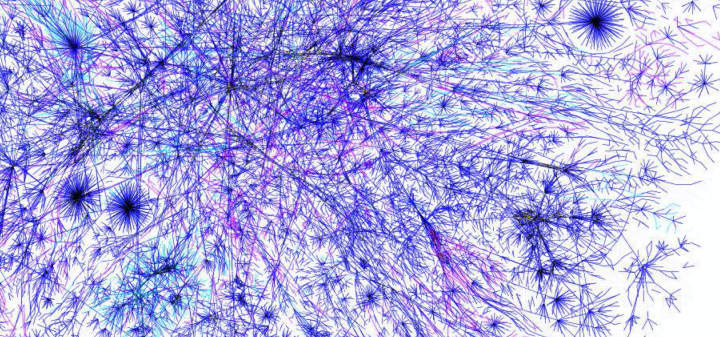
Information and communication technologies (ICTs) are creating opportunities and risks for human rights. Our understanding of their impact has lagged. This report provides a look at ICT initiatives.

This paper provides a sociological explanation of the performative core of the Russell Tribunal's power and legitimacy following a certain speech-act theory.

CGHR has combined interdisciplinary work with policy over the last five years. Under Dr Srinivasan, the Centre has built partnerships that ensure dissemination of this important work.

This paper will describe the civilian administration in East Ghouta and the mechanisms which have allowed it to withstand chemical attacks by the Syrian regime and others.